
ORBIĂS PRISM
Identify . Develop . Transform
Personalized Rigorous Individual Skills Mentorship
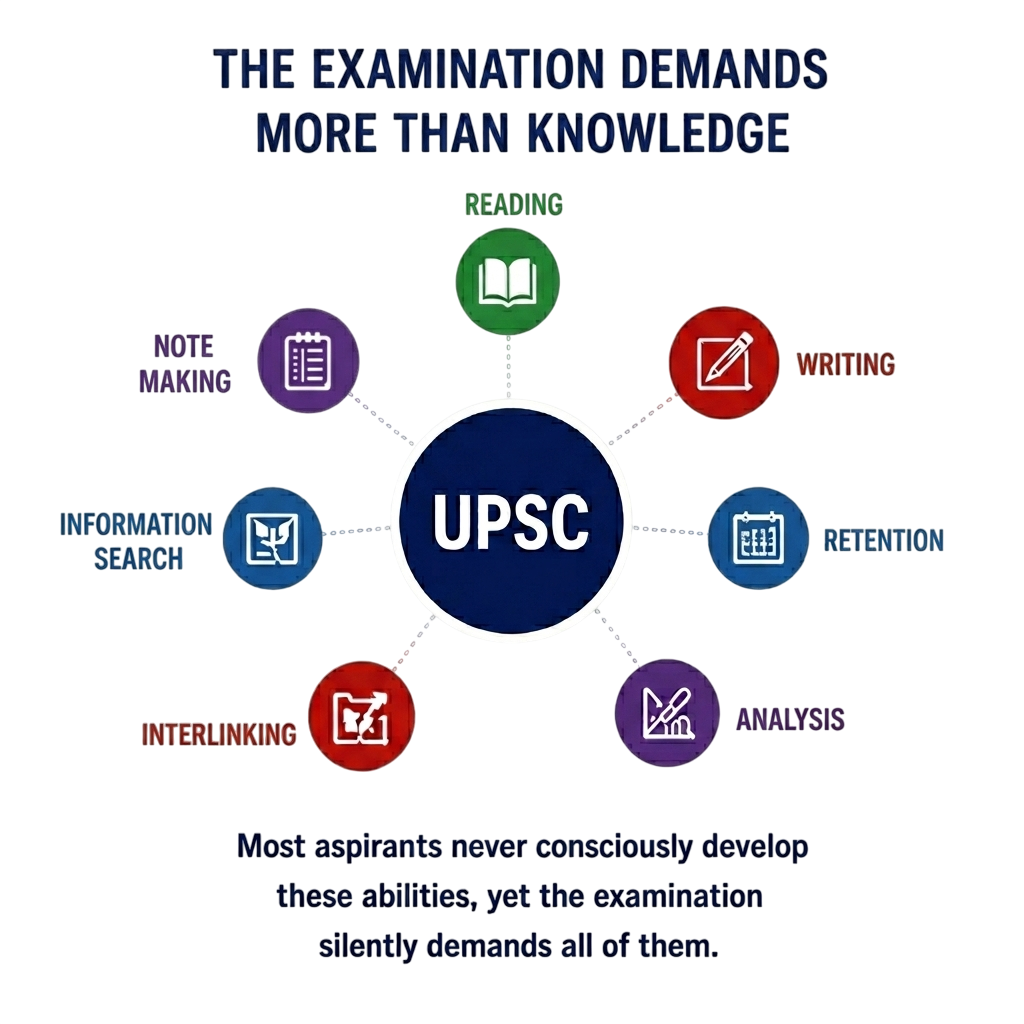
Most UPSC aspirants begin their preparation by focusing on classes, books and test series. While these resources are important, they do not automatically translate into success.
If they did, every student attending classes and reading standard books would clear the examination. The reality is that UPSC demands much more than knowledge. It demands abilities such as Reading, Writing, Retention, Analysis, Interlinking, Information Search and Note Making.
The first step of the ORBIĂS PRISM is to help you develop these abilities.
“The real engines of success are rarely found in books or classrooms. They are the unseen abilities that quietly shape every stage of preparation.”
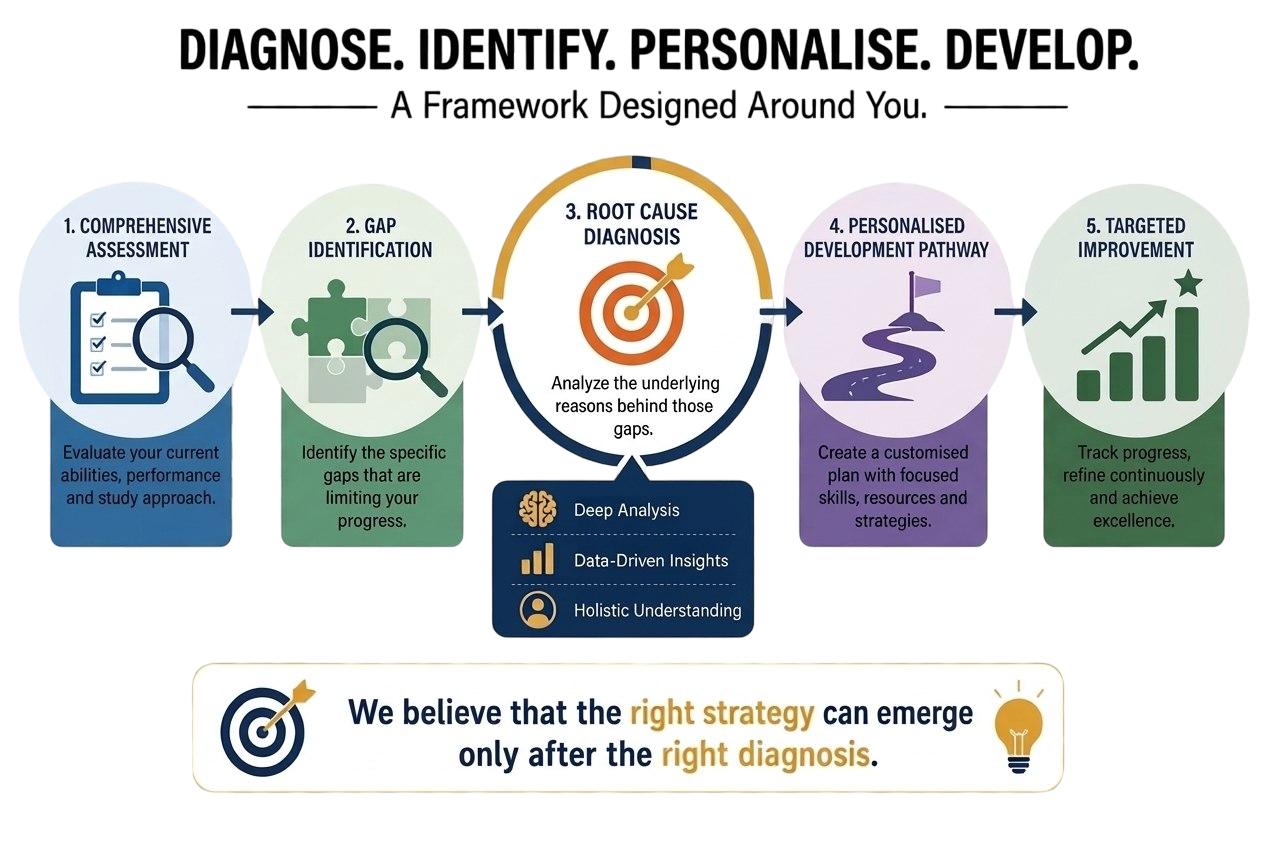
The journey begins with diagnosis. Before deciding what needs to be studied, we first identify what needs to be improved.
Every aspirant has a unique combination of strengths and weaknesses. Some struggle with retention, answer writing, note-making, consistency, analytical thinking or concept linking.
Through our diagnostic framework, we identify the gaps that are limiting progress and create a personalised development pathway for each student.
“We believe that the right strategy can emerge only after the right diagnosis.”
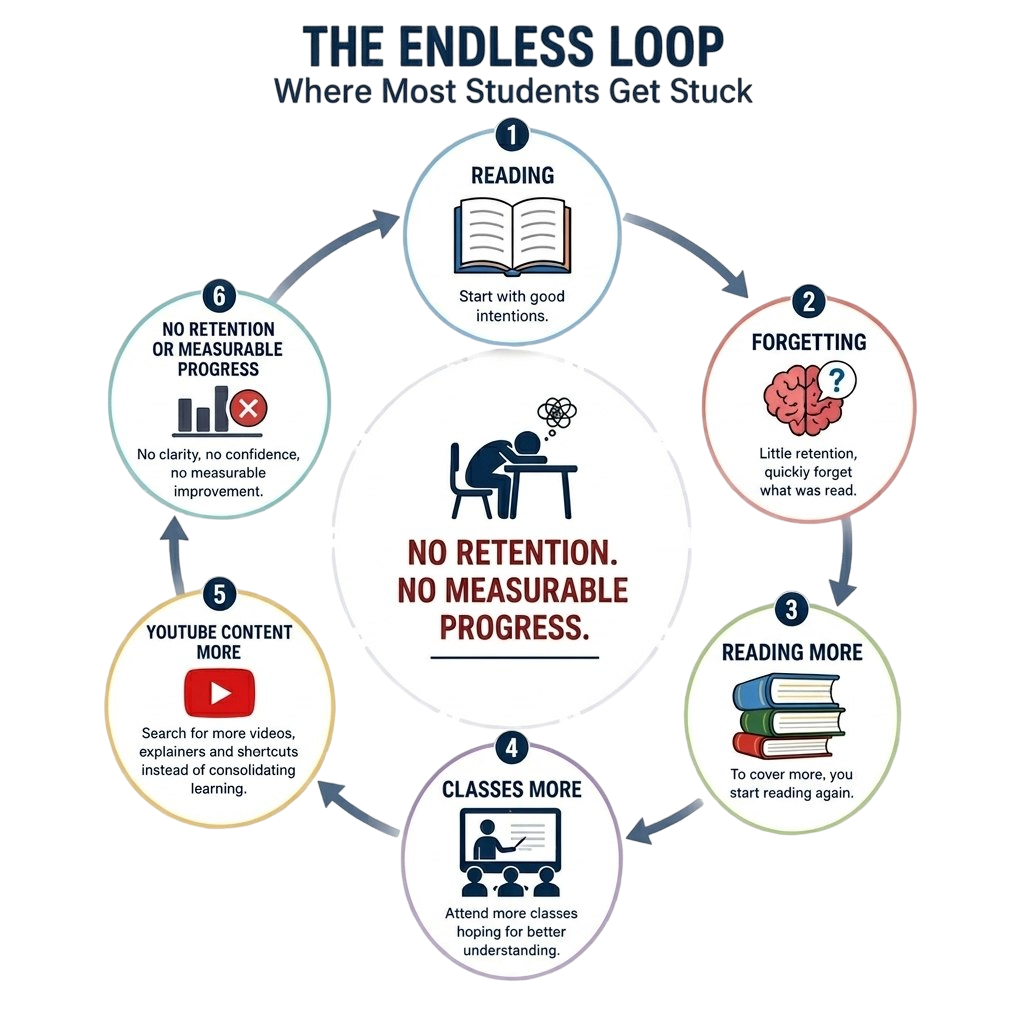
Once the gaps are identified, the focus shifts towards building a strong knowledge foundation. Information gathered from multiple sources is converted into organised and structured notes that can serve as permanent academic assets.
“Instead of repeatedly falling into the vicious loop of returning to books and sources, students gradually develop a single integrated repository of knowledge.”
This process transforms scattered information into a usable and revisable preparation system that grows stronger over time.
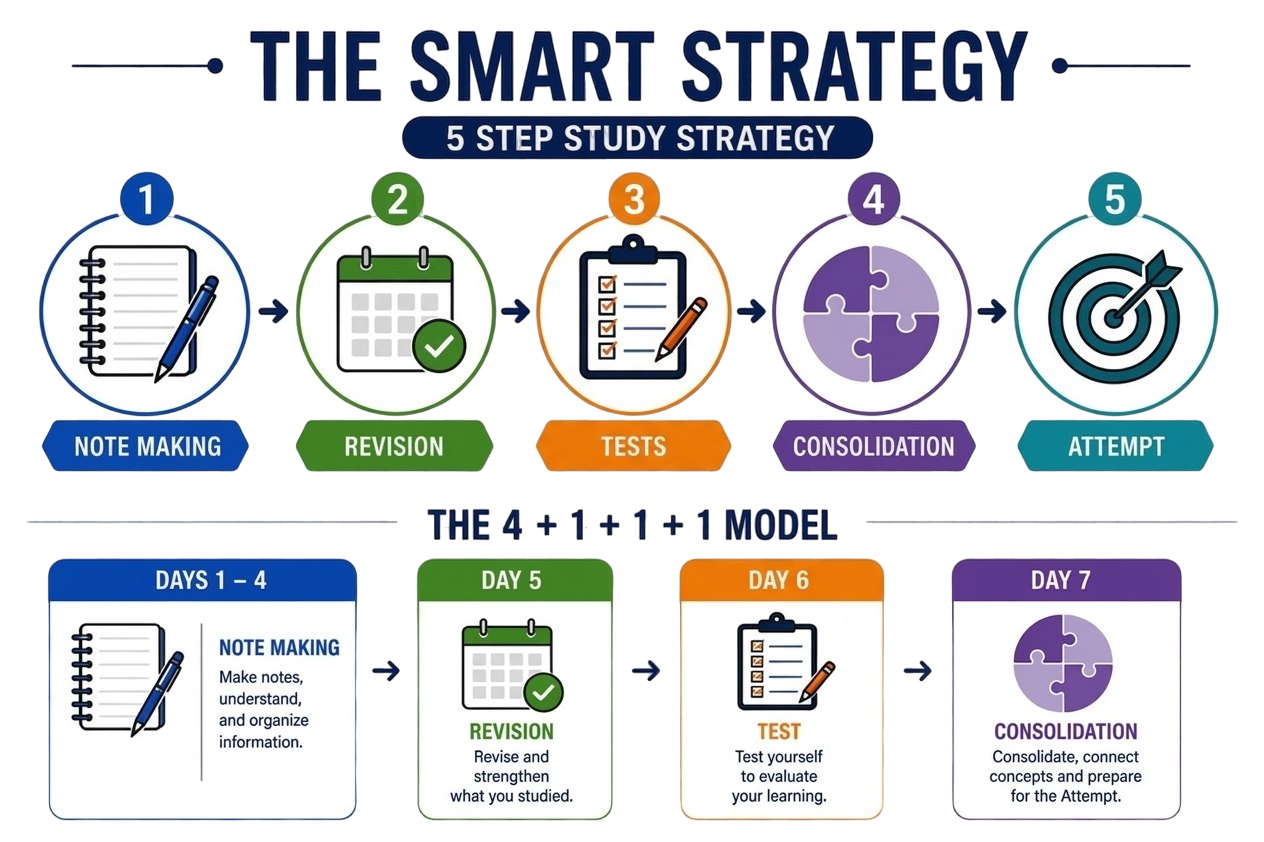
Knowledge alone, however, is not sufficient. It must be revised, tested and reinforced continuously. The mentorship program therefore follows a structured cycle of Notes development, Revision, Examination and Consolidation.
Every test becomes an opportunity to identify missing areas, strengthen weak sections and improve the quality of preparation.
“Over time, this process converts revision from a memory exercise into a mechanism for mastery.”
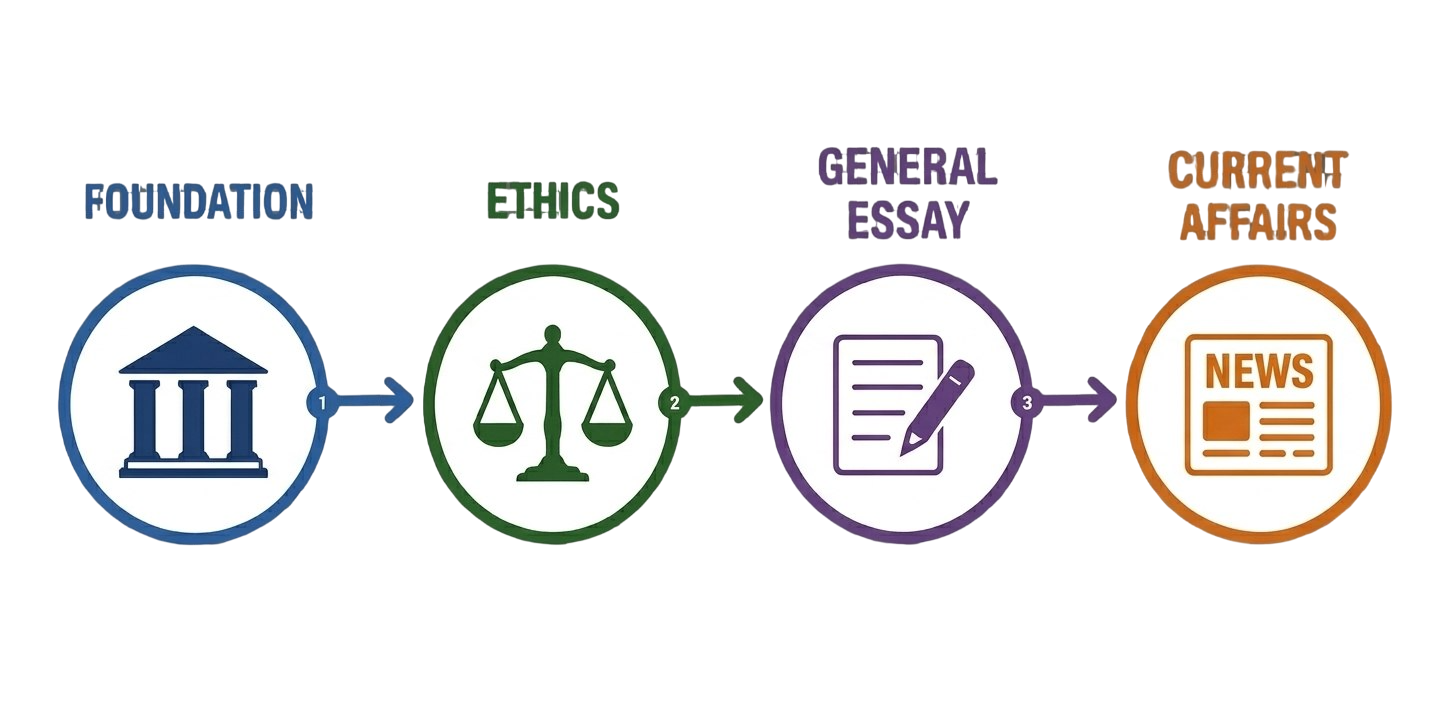
As the foundation becomes stronger, the program expands into advanced areas of preparation. Ethics, Essay and Current Affairs are integrated into the system through specialised development frameworks.
Students learn to build perspectives, develop judgement, connect current events with static concepts and improve the quality of their arguments and answers.
“The objective is not merely to cover additional subjects, but to cultivate the maturity and depth of understanding expected by the examination.”
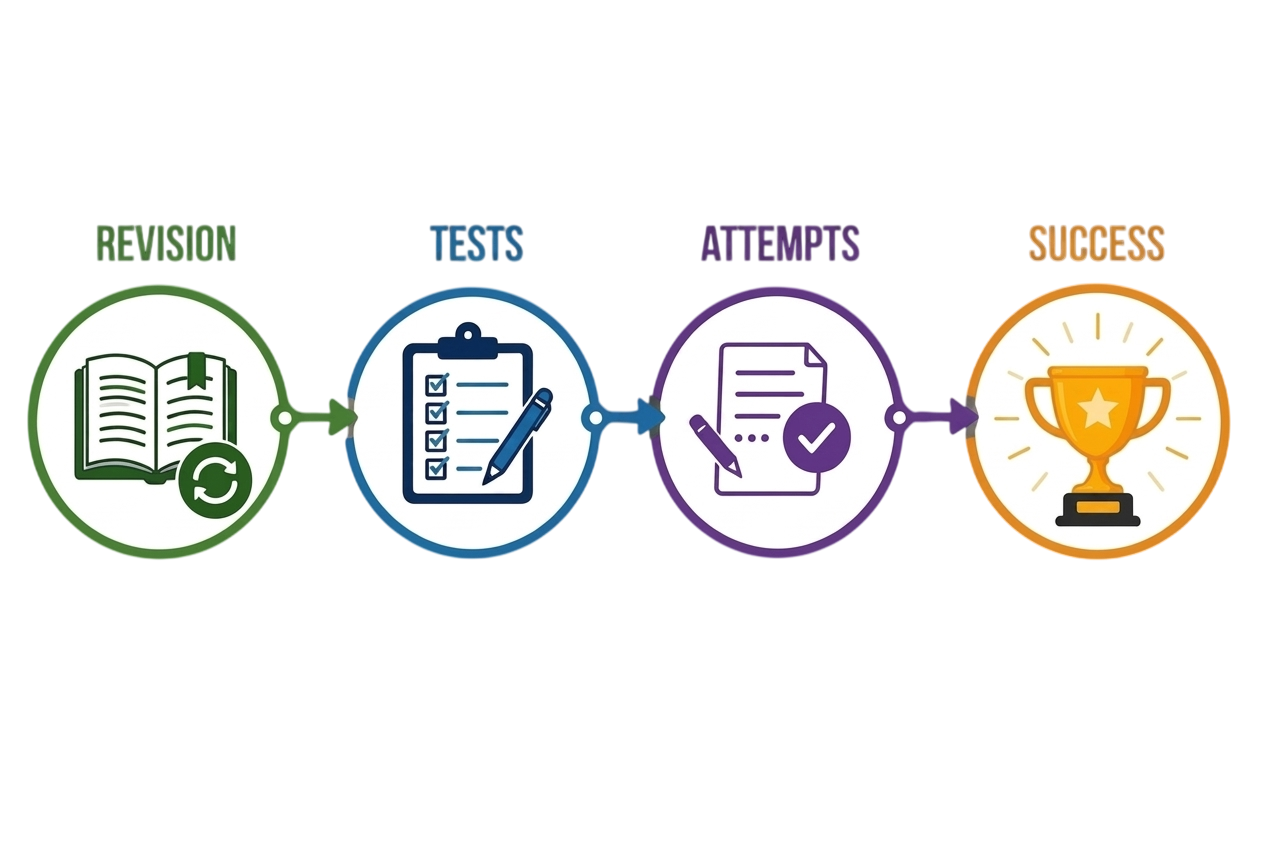
The final stage focuses on readiness and execution. By this point, students possess structured notes, revision systems, testing experience, feedback mechanisms and developed abilities.
The focus is no longer on collecting new sources or restarting preparation. The focus shifts entirely towards performance.
“Through continuous monitoring, evaluation and refinement, the mentorship program aims to ensure that students enter the examination process with clarity, confidence and a preparation system capable of producing results.”